Daystar Selorm Atti
February, 2025
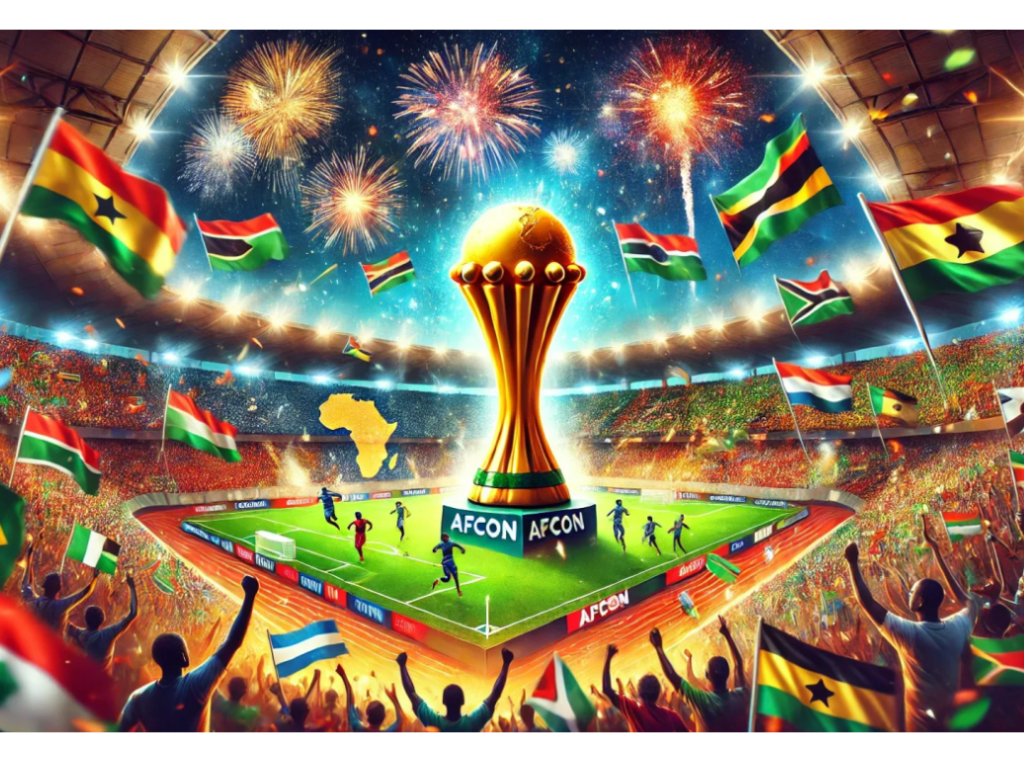
The Africa Cup of Nations (AFCON) has once again found itself at the center of a heated global football debate. Recently, former England and Liverpool defender Jamie Carragher sparked controversy during a Sky Sports panel discussion when he downplayed AFCON as a major tournament. His dismissive remarks were met with immediate pushback from fellow panelists and, more notably, a wave of criticism from African football journalists and fans worldwide.
This incident raises critical questions about the global perception of AFCON, its place in international football, and what organizers can do to ensure that the tournament receives the respect it truly deserves. The backlash from African football enthusiasts underscores the deep frustration over the persistent lack of recognition for African football achievements.
Jamie Carragher’s dismissal of AFCON as a major tournament reflects a broader issue in global football discourse—Eurocentrism. The assumption that only European and South American competitions hold significant value undermines the rich footballing traditions of other continents.
Carragher’s comments, whether intentional or not, highlight a deeply ingrained bias in football punditry that often marginalizes African football.
For the Confederation of African Football (CAF) and AFCON organizers, this controversy serves as both a wake-up call and an opportunity. While criticism of African football is not new, the swift and vocal response from fans and journalists shows that Africans are increasingly unwilling to accept such dismissals without challenge. It signals that the time has come for AFCON and CAF to take proactive steps in shaping the tournament’s narrative and global image.
Lessons to Be Learned
One of the primary takeaways from this incident is the importance of controlling the narrative around AFCON. Historically, Western media has often framed AFCON as a secondary competition, citing scheduling conflicts, player withdrawals, and perceived organizational shortcomings. However, this portrayal ignores AFCON’s rich history, the high level of competition, and the passion it generates across the African continent. AFCON organizers must invest in global media engagement, ensuring that the tournament is covered with the same level of professionalism and enthusiasm as the UEFA European Championship or Copa América. This includes improving media access, broadcasting quality, and storytelling that highlights AFCON’s impact beyond the pitch.
The history of AFCON is filled with legendary players, iconic matches, and unforgettable moments. From Roger Milla’s heroics in the 1990s to Egypt’s dominance in the 2000s, AFCON has been a breeding ground for world-class talent. However, its historical significance is often overshadowed by narratives that prioritize European club football. CAF should actively promote AFCON’s legacy through documentaries, archival footage, and educational campaigns that highlight its role in developing global superstars. Players such as George Weah, Abedi Pele, Didier Drogba, Samuel Eto’o, Asamoah Gyan, Sadio Mane, and Mohamed Salah have all used AFCON as a stage to showcase their brilliance. By amplifying these stories, AFCON can solidify its reputation as a vital competition in world football.
African players are among the most influential figures in world football today. Stars like Sadio Mané, Victor Osimhen, and Achraf Hakimi have massive global followings. Yet, their influence is not always fully utilized to promote AFCON’s prestige. CAF should collaborate with African players and legends to champion the importance of AFCON through their platforms. When high-profile players publicly advocate for the tournament’s value, it sends a strong message to the global football community. African players in top European leagues should not only express their pride in playing for their nations but also actively push back against any attempts to belittle AFCON.
One of the main challenges AFCON faces is the reluctance of European clubs to release players mid-season. The tournament’s timing, which often clashes with the European football calendar, has led to conflicts between clubs and national teams. To mitigate this issue, CAF must engage in dialogue with FIFA and top leagues to find a more accommodating schedule. Whether through slight adjustments in the FIFA calendar or increased financial incentives for clubs releasing players, a solution must be found to prevent AFCON from being framed as an inconvenience rather than an elite competition.
The Jamie Carragher controversy serves as a stark reminder that African football still faces an uphill battle for respect on the global stage. However, it also presents an opportunity for AFCON organizers to reflect, strategize, and take decisive action. African football is rich in talent, history, and passion—it is time for AFCON to claim its rightful place among the world’s elite football competitions. By leveraging media influence, and actively engaging international stakeholders, AFCON can change the narrative.
The tournament must not only be respected by African football lovers but also recognized as an unmissable event in world football. The road to global recognition is not easy, but if the right lessons are learned, AFCON’s future can be brighter than ever.

